
Faster Turnover Starts with a Smarter OR Footprint
A compact C-arm system can help make a tight operating room easier to work in, but size alone is not the full answer. During busy fall and year-end schedules, many surgical teams are managing packed procedure calendars, limited room availability, staffing pressure, and the ongoing need to keep patients moving through care without unnecessary delays.
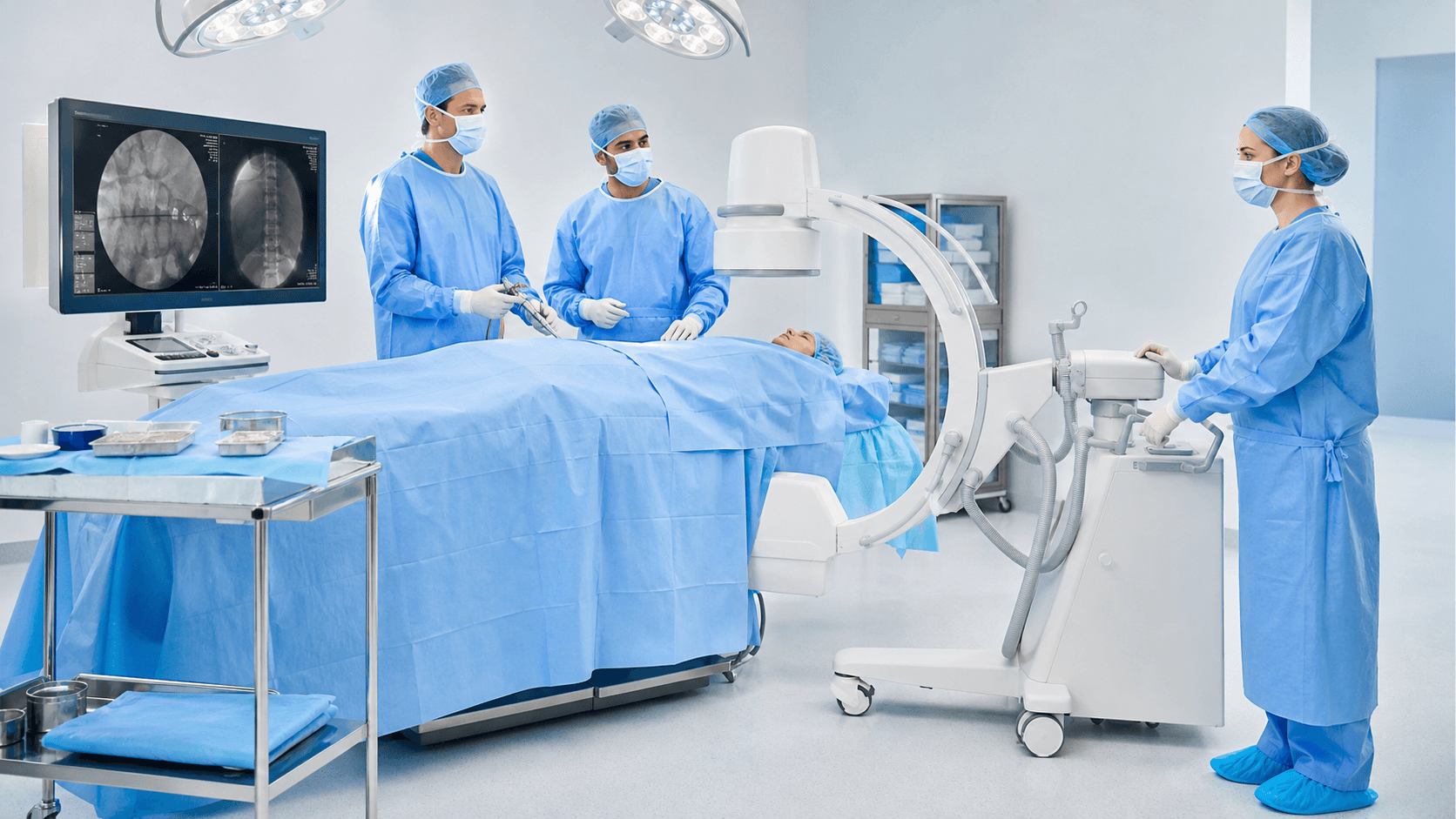
Every square foot matters when a room holds a surgical table, anesthesia equipment, monitoring devices, carts, implants, sterile supplies, and the people needed to run a safe procedure. We believe imaging equipment should support real-time clinical decisions without becoming another obstacle in the room. The right compact C-arm system can give your team fluoroscopy access while leaving more room for patient positioning, sterile setup, and staff movement.
Compact mobile imaging can be a practical fit for smaller procedure rooms, ambulatory surgery centers, orthopedic suites, pain-management settings, and multi-use spaces. Still, we encourage you to look beyond the word "compact." A system should also deliver the image quality, mobility, controls, and daily dependability your clinicians need.
Compact C-Arm Systems Reduce Congestion
A smaller, thoughtfully designed C-arm can create more usable space around the surgical table. That extra room may help surgeons, anesthesia providers, nurses, radiologic technologists, and surgical technologists move with fewer barriers during a case. When people can reach the patient, supplies, and equipment without squeezing around a large unit, the room can feel more organized.
Less crowding also supports clearer pathways for patient transfers and emergency access. In a busy OR, teams need to know where equipment belongs and how they can move around it. A compact C-arm system may help reduce the feeling that every piece of equipment is competing for the same area.
Before selecting a unit, we recommend looking closely at details that affect the room every day:
- Overall C-arm and workstation dimensions
- Monitor placement and sightlines for the clinical team
- Detector size and how it fits common procedures
- Cable management and potential trip hazards
- Clearance around the table, anesthesia area, and sterile field
Compactness should not mean compromise. A system that is physically smaller but hard to position, difficult to view, or poorly suited to your room layout may create new workflow problems. The goal is a better fit, not simply the smallest machine available.
Mobility Can Streamline Imaging During Procedures
Smooth movement matters just as much as footprint. We often see that a C-arm's ability to steer, roll, rotate, and position comfortably can shape how efficiently imaging fits into a procedure. If staff need repeated adjustments just to obtain a useful view, those interruptions can slow the case and make it harder to protect the sterile field.
Responsive steering, balanced movement, and accessible controls can help imaging staff bring the system into position with less effort. The aim is straightforward: get the views the clinical team needs without turning each image request into a major room reset.
Positioning flexibility is especially important for procedures that require imaging from more than one angle. Orthopedic, spine, pain-management, vascular, and trauma cases can each present different access needs. A compact design can be helpful when your team must work around the table, anesthesia equipment, monitors, or other technology while maintaining access to the anatomy being treated.
When evaluating mobility, we suggest watching how the equipment performs in realistic situations. Consider whether staff can move it through a crowded room, park it safely during portions of a case, and reposition it without blocking the people who need to work nearby.
Image Quality Still Drives Clinical Confidence
Space savings are helpful, but image quality remains the foundation of a successful C-arm purchase. Clinicians need clear visualization to guide procedures and make informed decisions. A compact C-arm system should support that need rather than asking teams to trade imaging performance for a smaller footprint.
During an evaluation, your team may want to review several imaging and usability factors:
- Image clarity for the procedures performed in your facility
- Available imaging modes and field of view
- Dose-management tools and workflow controls
- Monitor quality, size, and placement
- How easily staff can adjust settings during a case
Specifications can tell part of the story, but hands-on use tells you much more. We encourage facilities to involve the people who will use the system most often, including surgeons, radiologic technologists, nurses, and biomedical team members. Their feedback can uncover practical concerns that are easy to miss during a quick review.
A realistic demonstration can show whether the system fits your team's actual workflow. Can staff move it where it needs to go? Can the clinical team see the monitors clearly? Do the controls make sense during a busy procedure? Those answers matter as much as the equipment brochure.
Evaluate Fit Before Finalizing a Purchase
The best time to discover a fit problem is before equipment arrives. We recommend measuring procedure rooms, doorways, storage areas, and travel routes as part of the selection process. A C-arm may fit beside the surgical table but still create trouble if it cannot move easily through a doorway or be stored without blocking a corridor.
It also helps to map the system's day-to-day path. Think about where it will be parked between cases, how it may travel between departments, and who will move it. Secure storage and clear travel routes can make a meaningful difference in keeping workflows orderly.
Fall capital planning is a useful time to review current imaging limitations and prepare for year-end budgeting. As you consider a compact C-arm system, include the full implementation process in your discussion. Equipment selection, installation planning, staff training, and ongoing support all affect how smoothly a new system enters clinical use.
The strongest choice is the one that fits your rooms, supports the procedures you perform, and feels workable for the people using it every day. Careful planning before purchase can help your team protect space, maintain patient flow, and bring real-time imaging into the OR with fewer avoidable obstacles.
Bring Confidence to Your Imaging Setup
At RGS Healthcare, we help surgical teams evaluate equipment options that align with their clinical needs and operational priorities. Speak with our team about a compact C-arm system that can support efficient imaging without overcomplicating your OR environment. We are ready to help you identify a solution that works for your staff, procedures, and available space.